There is a school in Lubumbashi. It sits in the Katanga province of the Democratic Republic of Congo — one of the most mineral-rich and conflict-worn regions on the continent — and on most mornings, it sounds the way a school should: full of noise, full of children. In 2025, thirty young women completed Malaika’s third full cohort and walked across a stage in front of their families, their community, and the woman who built this place for them, from the outside in.
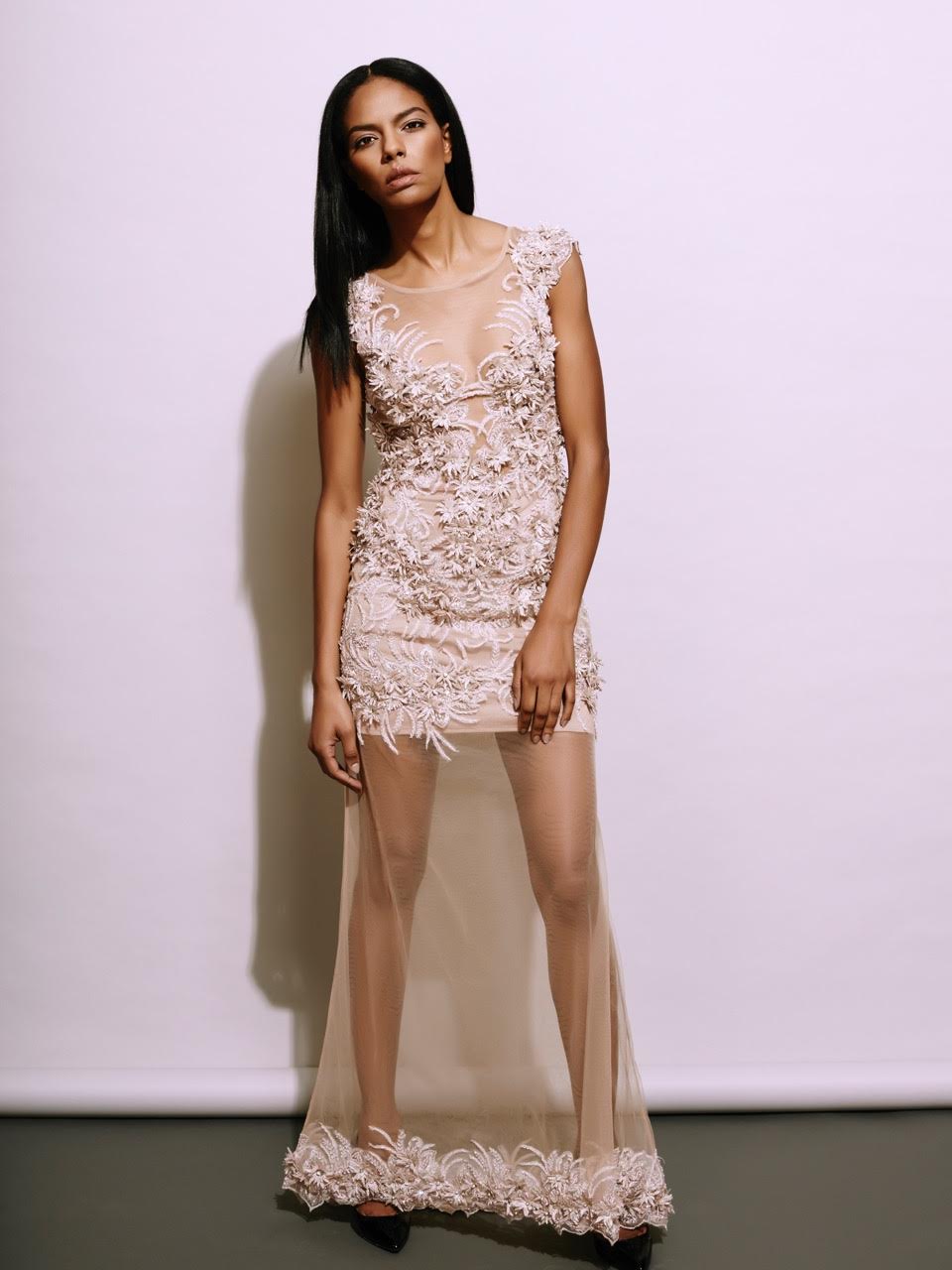
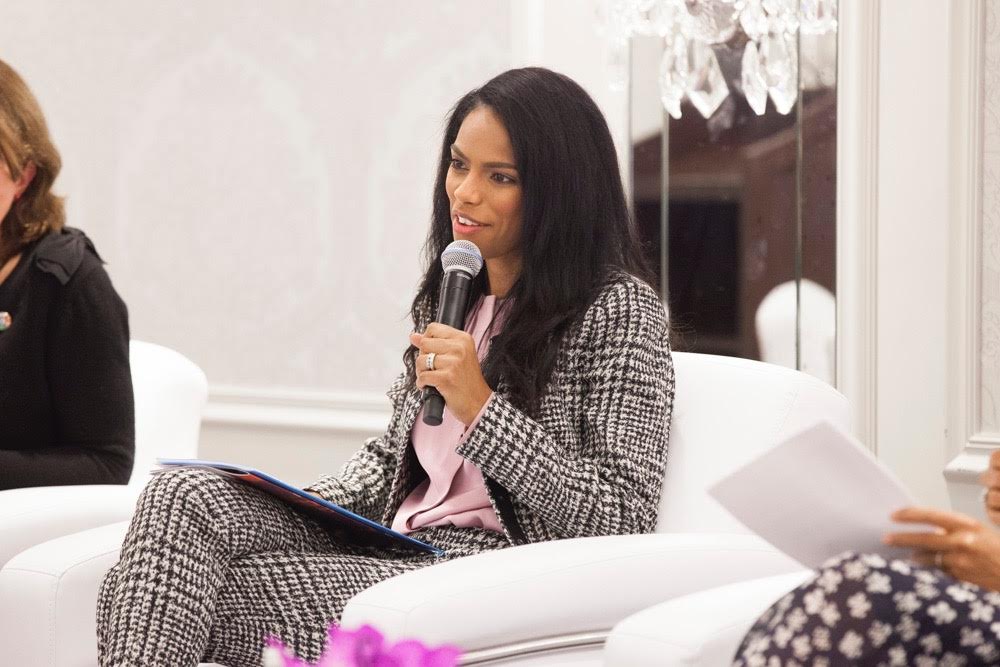
Noella Coursaris Musunka is a Congolese-Cypriot model and philanthropist — and the founder of Malaika, a nonprofit school and community organisation in Lubumbashi, Democratic Republic of Congo, that has been educating girls for free since 2007. She has also appeared in Vogue, walked campaigns for Tory Burch and Vrai, spoken at the World Economic Forum in Davos, the FII Institute in Riyadh, and at SXSW London.
She is based in the UK with her husband and children, and she runs everything — the school, the international volunteer network, the brand partnerships that quietly route money back to the mission — from a sequence of four lists she describes plainly: “I have a list for my home, my kids, Malaika and my other work.” She adds: “My schedule is never mundane.” It is, as understatements go, doing considerable work.
Her mornings are a case in point. She is up by 6:45, in time to start the day with her children. She makes breakfast, gets them ready, drops them off. Then she calls Lubumbashi.
“I speak to the Headmaster and local team every day and get updates on everything,” she has said. “I even know when a student is out sick since I am involved or made aware of every step of Malaika.” Between the school run and the evening conference calls with the US team, there may be a shoot, a panel, a flight. She ends most nights reading to her children, then picking up The Prophet.
“My schedule is never mundane.” — Noella Coursaris Musunka
The story of why this school exists begins, as the best ones do, with a mother. Noella was five years old when her father died. Her mother — a Congolese woman with one child and a clear-eyed understanding of what an education on the other side of a border could mean — made the kind of decision that can only be called love doing the hardest thing it knows how. She sent her daughter to live with family in Europe. “It was remarkably selfless of her,” Noella has said, “but I wanted to pay it forward and give other girls who are growing up in southeastern DRC, where I would have, a greater chance to lead a prosperous life. Education is the foundation for it.”
Thirteen years later, she went back. “I went back to the DRC after thirteen years outside of the country and was immediately moved to do something significant to help my mum and others in the area,” she has said. “It planted a seed that I worked towards for years.”
What she found in Lubumbashi was a reality she could not unfeel. Girls were being passed over in favour of brothers who attended school at higher rates. Families were struggling to exist peacefully. Infrastructure that should have been holding things together was either absent or breaking under the weight. She didn’t act immediately. The seed was planted, and she tended it. That patience — knowing something has to be built and being disciplined enough to build it properly — is its own kind of intelligence.
Malaika — the word means angel in Swahili — was founded in 2007. In 2025, it turned eighteen: the same age as the girls graduating from its secondary program. The symmetry feels right for an organisation whose premise has never wavered. “My goal has remained the same,” Noella has said, “to educate and empower as many girls as we can, who can become future leaders in the DRC and strengthen the community.” What has shifted, she says, is her sensibility: “I’m now a mother and I want the best of the best for the students we are educating.”
“I’m now a mother and I want the best of the best for the students we are educating.” — Noella Coursaris Musunka
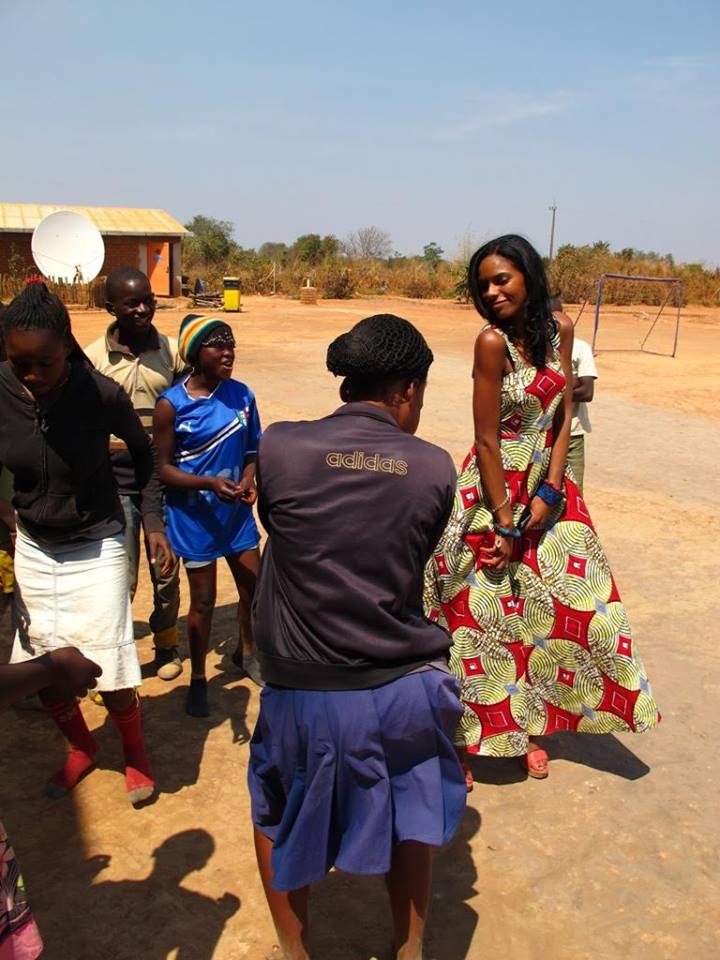
What began as a school is now closer to an ecosystem. There is the school itself, educating girls from five through secondary. A community centre runs vocational programs. There is clean water infrastructure, health, literacy, and recreational programs for the broader community.
Families of students volunteer their time; local women sew the uniforms. “We couldn’t exist without it,” she has said of the community’s involvement. In 2024, a new building dedicated to carpentry opened, and the Tory Burch Spring/Summer collaboration brought Malaika to new audiences. The Muhammad Ali Foundation awarded the organisation its Daughters of Greatness prize. None of this happened passively.
When the media turns to the DRC, it tends to reach for the same story. Noella does not look away from the reality — violence against women and girls is, she says, “a major concern absolutely” — but she is clear about what that concern demands of her: “It is all the more reason to provide a haven for our students, teachers and staff.” She is equally clear about what the world is not being shown: “the beauty of the country, the great pride that the Congolese have in their culture and their resilience, which is absolute.”
For a long time, the assumption was that she would eventually choose. That the runways and Lubumbashi were in competition with each other. She has never seemed particularly interested in that framing. The modelling amplifies the mission. The mission gives the work its gravity. She has built a life in which both are true at once, and she moves between them the way someone moves between two languages they were raised in — fluently, and without apology.
Her proudest moment, she has said, has nothing to do with award ceremonies or brand partnerships. It is simpler: “Seeing my kids in the DRC, playing with their friends, learning to be altruistic and creating childhood memories.” Her children and Malaika’s children, in the same country, in the same frame. Both worlds, finally, together.
She was asked once what she hopes for the future of the DRC. Her answer was three words: Peace, stability and education for all.
It is not a political statement. It is the most personal one she knows.
“If you want to help others, do it with full conviction.” — Noella Coursaris Musunka
The following is drawn from a 2017 written exchange with Noella, conducted when Malaika had just marked its tenth anniversary. We return to it now because the questions still matter — and her answers have only deepened.
On the sacrifice that started everything
My mother sent me, her only child, to live with family in Europe after my father died when I was five, in order to provide me with a better education and more opportunity. It was remarkably selfless of her — but I wanted to pay it forward and give other girls who are growing up in southeastern DRC a greater chance to lead a prosperous life. Education is the foundation for it.
On the country the world doesn’t see
It is a major concern absolutely — but it is all the more reason to provide a haven for our students, teachers and staff. An effective way to counteract such realities is with strengthening the role and status of women in the country, and that can only happen through education. The media also ignores the beauty of the country, the great pride that the Congolese have in their culture and their resilience, which is absolute.
On what she wants her girls to know about themselves
By encouraging them to aspire to anything they choose and reinforcing solidarity among them. They will bring about a better future for the country if they are unified and happy to be themselves.
On Africa’s philanthropic inheritance
Reminding our brothers and sisters that we must be concerned with the well-being of all our neighbours and kin if we truly want to thrive. Africans are born philanthropists — many will help their families and communities when they can.
On what the DRC actually needs
They must take control of their destiny. The DRC, like the whole of Africa, needs stability, an uplifted middle class, jobs for the youth, proper attention paid to the refugee crisis — and to use our coveted minerals to fund healthcare and education.
On how a country heals from war
Through focusing on the future and growing as a national community.
On a word she refuses to use
I don’t believe in mistakes. They’re all learning opportunities.
The best advice she ever received
“If you want to help others, do it with full conviction.”
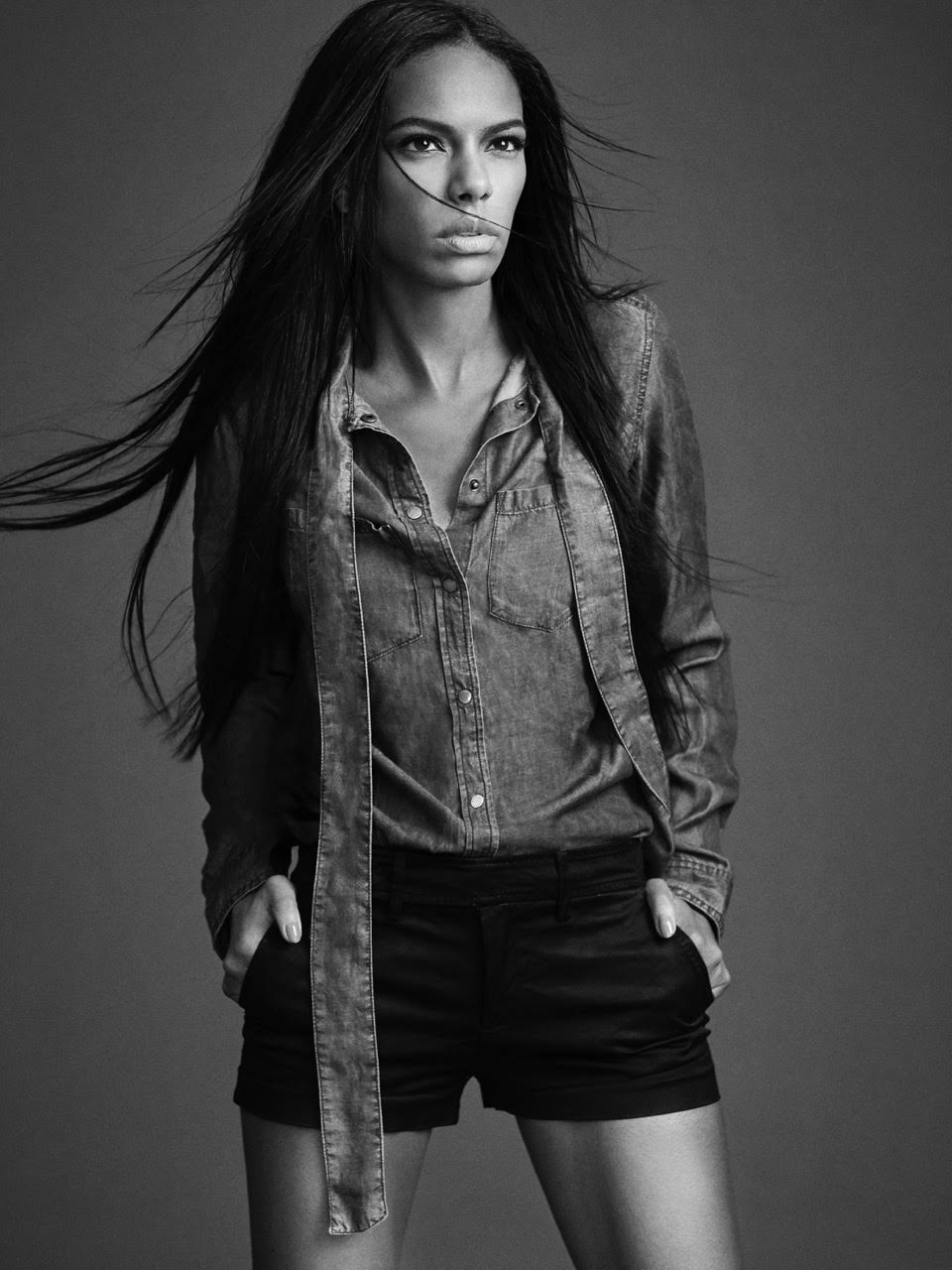
Every issue, we ask our cover subject the same questions. This is Noella’s.