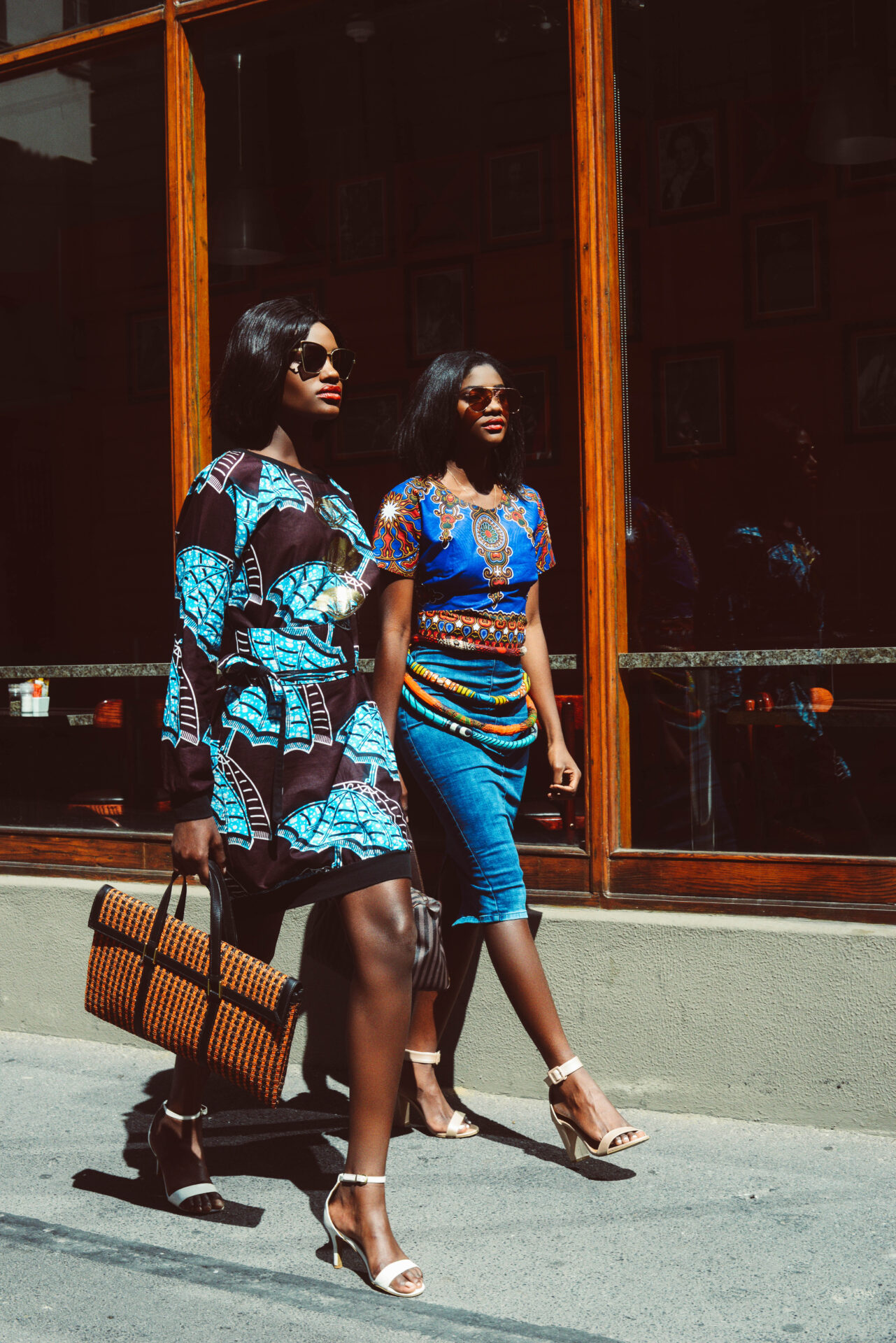
Across the continent, women designers are building fashion houses with patience, precision and a clear sense of place. Their work moves easily between inheritance and modern life, while keeping craft and local production close to the centre.
The seven women in this edit offer distinct ways of seeing African fashion now. They are not a definitive list, but an invitation to spend time with work grounded in craft, place and conviction.
Lisa Folawiyo
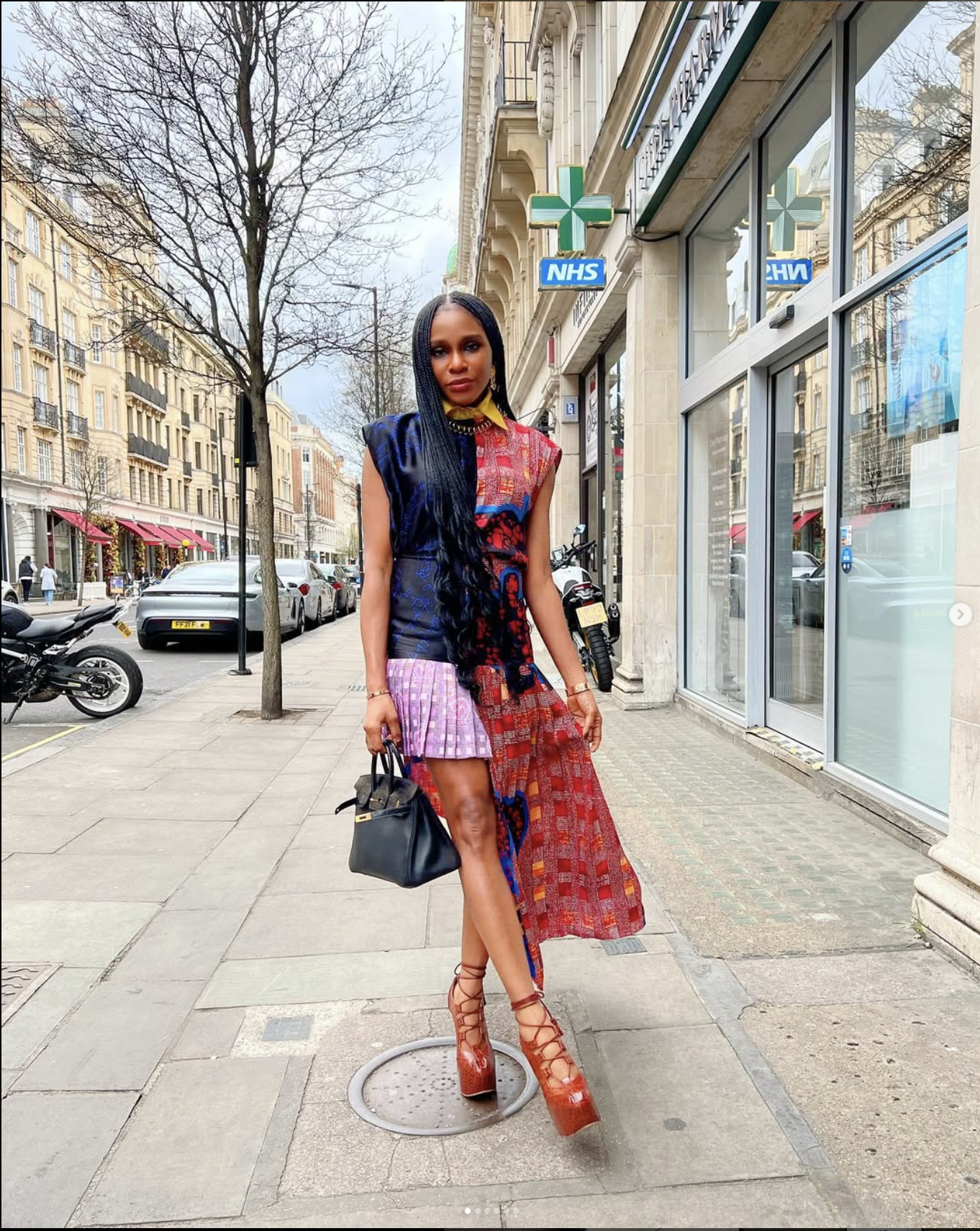
Photograph courtesy of Jewel by Lisa
Two decades in, Lisa Folawiyo continues to refine a language that is unmistakably her own. The Lagos-based designer launched Jewel by Lisa in 2005 with a vision so clear it’s almost unfair — take Ankara, the fabric that has lived in our mothers’ wardrobes and our grandmothers’ Sunday bests, and give it the treatment it always deserved.
“Our mothers, grandmothers and probably great-grandmothers have worn this fabric,” she told the BBC. That’s not a backstory. That’s a philosophy. Folawiyo doesn’t borrow from tradition — she amplifies it, adding hand-sewn sequins, intricate embellishments, and silhouettes that feel ancient and absolutely right-now simultaneously.
For Spring/Summer 2026, Folawiyo presented “Capturing A Life in Colour,” revisiting motifs and materials from the label’s first two decades. After two decades of building an internationally recognised practice, there’s a looseness to the work now. Not carelessness — confidence. The joy in her studio hasn’t dimmed. She once described waking up every morning “truly excited to come to the studio,” and that energy is structural. You feel it in every piece.
Sindiso Khumalo
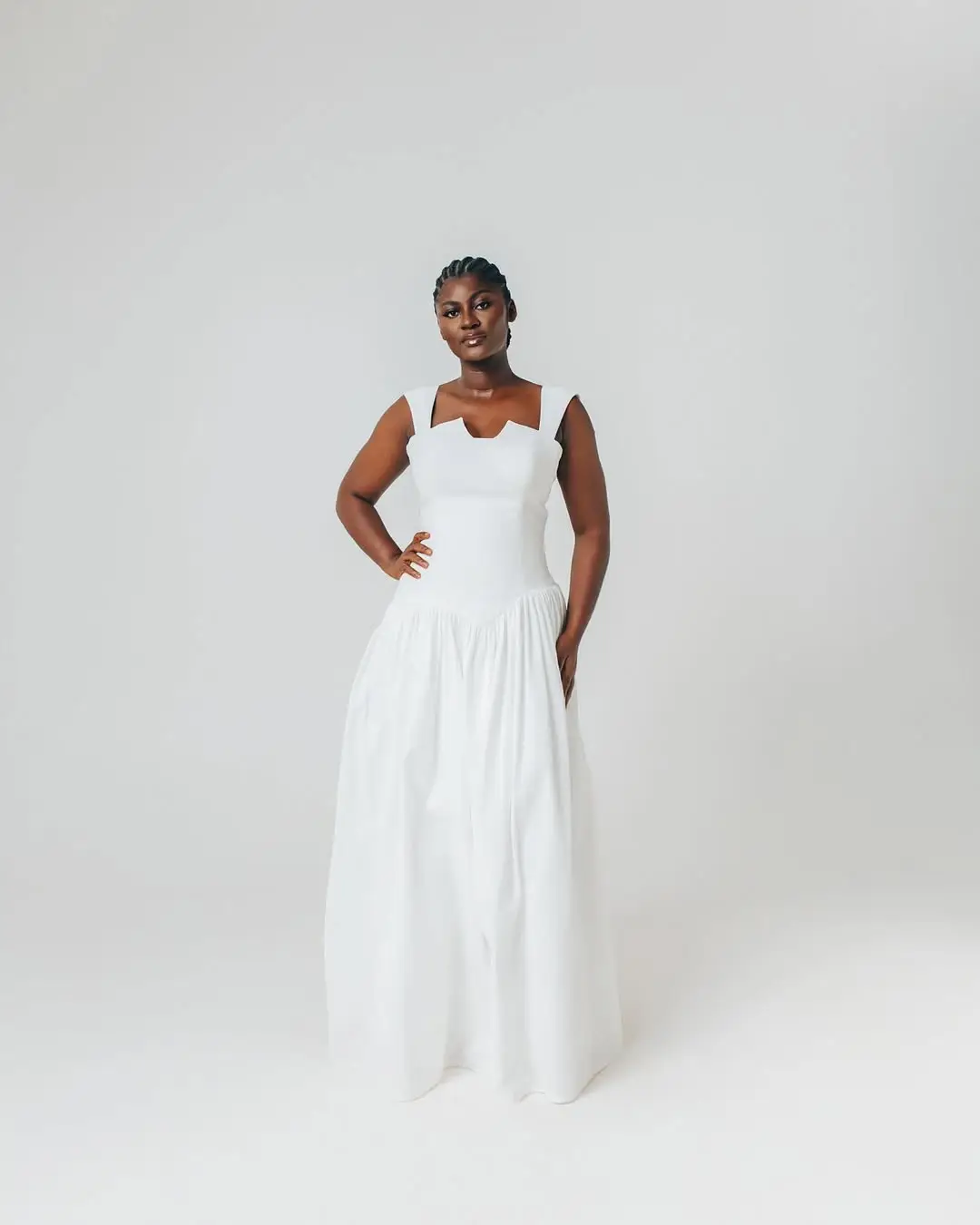
Photograph courtesy of Sindiso Khumalo
Sindiso Khumalo’s work starts with a question: what would it look like if fashion took seriously its responsibility to memory? The South African designer — trained in architecture, working in cloth — creates pieces that feel excavated rather than invented. Heritage patterns, archival research, and an insistence on slowness in an industry addicted to speed.
“It’s all about being thoughtful, considerate, and creating clothing with intent,” she told Net-A-Porter. “I want to make clothes that move beyond seasons and trends.” In 2025, she made that philosophy permanent — opening her first flagship store in Cape Town’s Longkloof creative district after over a decade of global success. The “In Full Bloom” collection that launched alongside it merges Cape Town embroidery with hand-block printing from Jaipur, creating a South African-Indian craft dialogue in turmeric, rose, and sage.
The store extends that philosophy through work by local creatives and repurposed surplus materials. Khumalo’s international recognition—including the 2020 LVMH Prize shared with fellow finalists—reflects the lasting relevance of a practice built slowly and with intention.
Sarah Diouf
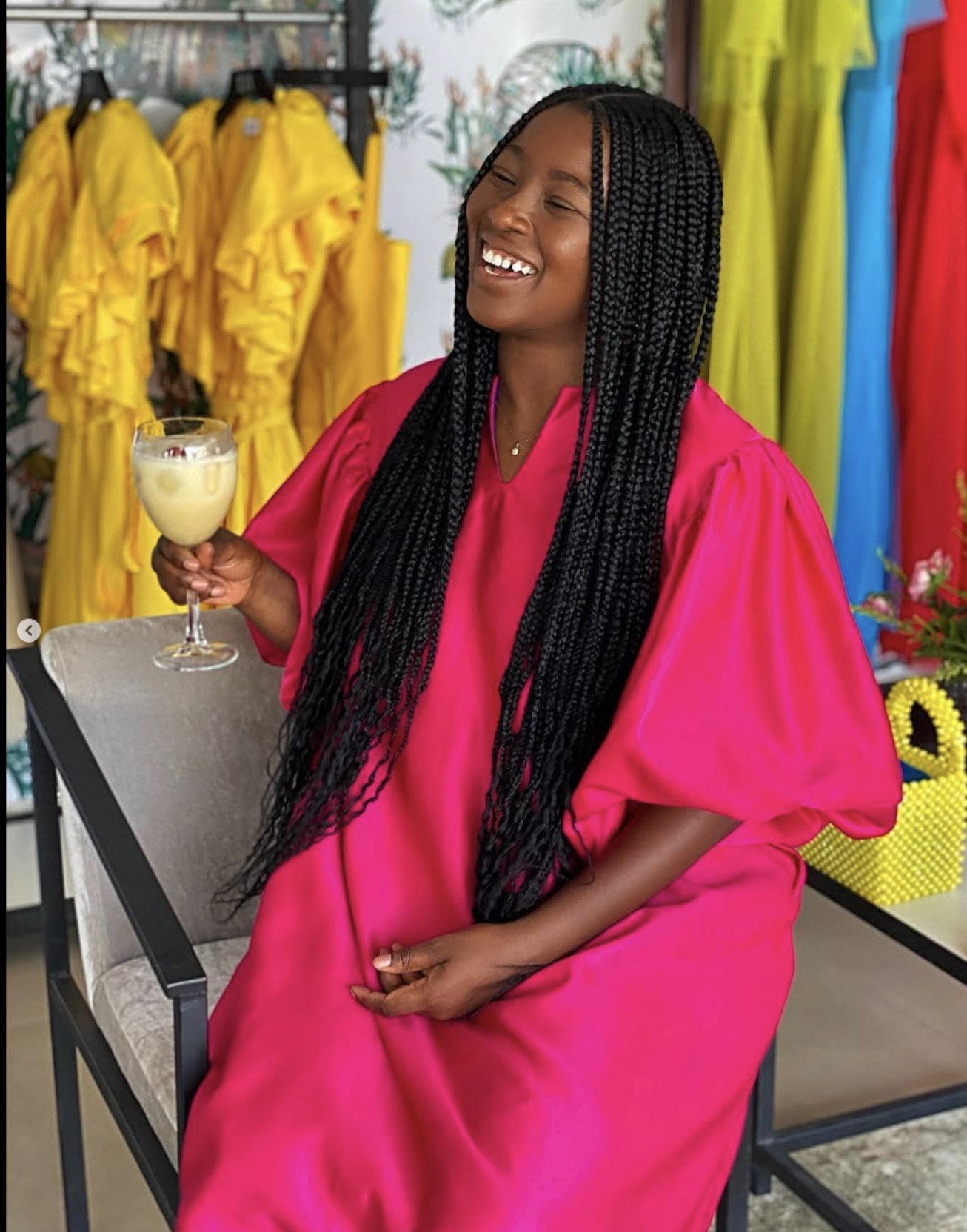
Photograph courtesy of Tongoro Studio
Sarah Diouf launched Tongoro in Dakar in 2016 with a clear commitment: the label would be designed and produced in Africa. That decision places Dakar not at the edge of the fashion conversation, but at the centre of Tongoro’s creative and commercial life.
“I wanted to tell the story of Tongoro because I believe it is important to reclaim power over the narrative,” she told OkayAfrica. “African fashion is not an industry yet — but an ecosystem.” That ecosystem includes the artisans, the suppliers, the factories, the women who cut and sew in Dakar. A Tongoro piece carries the work of the artisans, suppliers and makers who sustain that ecosystem.
Now in its tenth year, Tongoro has dressed Beyoncé, Naomi Campbell, Alicia Keys and Burna Boy, while keeping Dakar at the heart of the brand. As its international audience grows, that clarity of place remains one of Tongoro’s defining strengths.
Sonia Mugabo
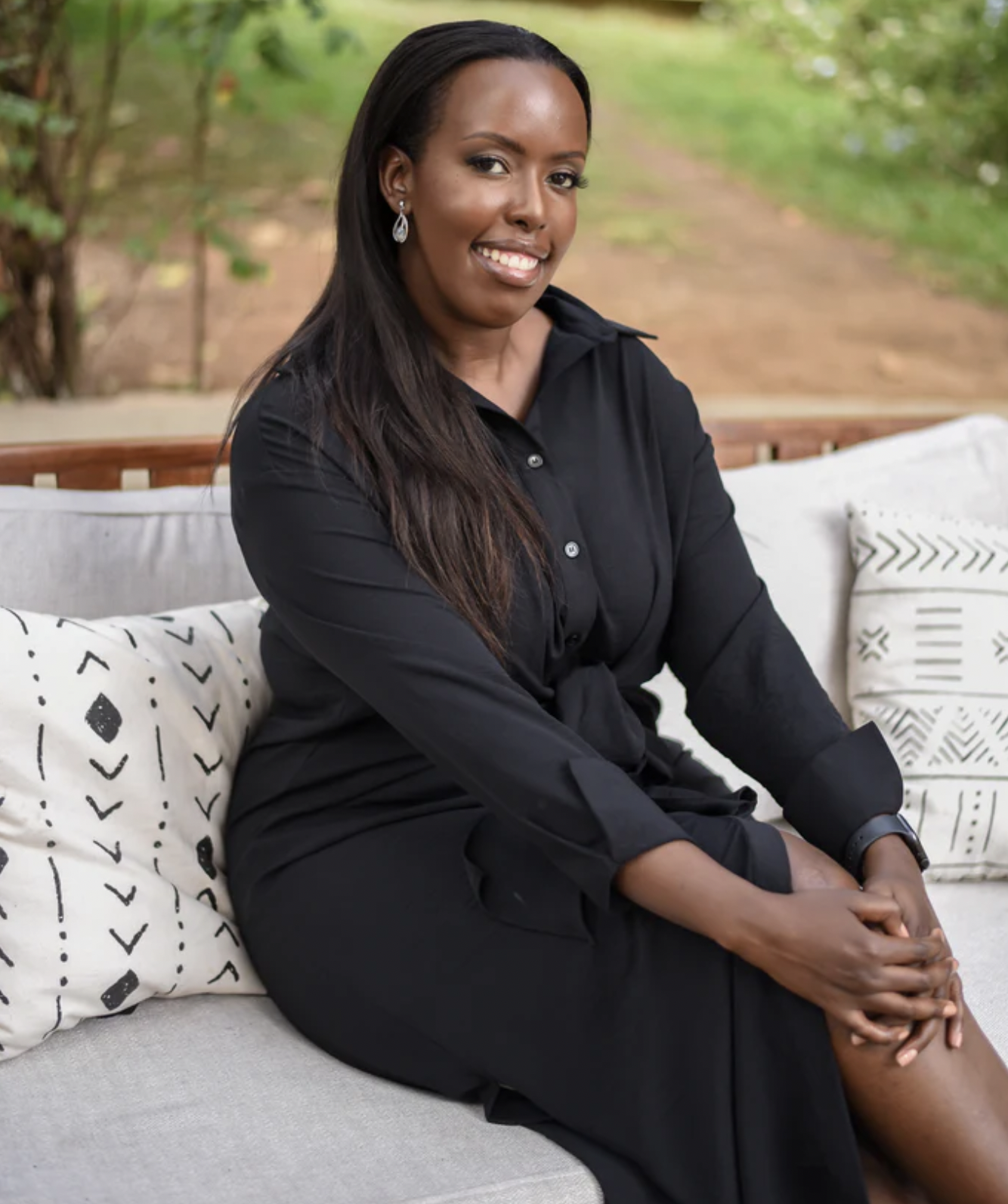
Photograph courtesy of Sonia Mugabo
Sonia Mugabo designs for Rwandan women — and by extension, for every woman who has ever wanted clothes that felt like they were made with the whole community in mind. The Kigali-based designer has been named to Forbes’ 30 Most Promising Young Entrepreneurs in Africa, and her whimsical, unapologetically feminine designs — tropical, botanical, bohemian — have become a quietly powerful emblem of what “Made in Rwanda” can mean.
“It’s not who wears my clothes,” she has said. “It’s about what difference we are making in the community.” Her pieces are woven into social impact work — working with local artisans, supporting local textile production and showing how fashion can contribute to economic opportunity, not simply benefit from inexpensive labour. After a decade of employing local Rwandan artisans, the model is proven.
Mugabo has also spoken about expanding the label into menswear and children’s clothing. She’s also collaborating with Cameroonian designer Hortense Mbea of Afropian to broaden the pan-African fashion craft conversation. While global fashion continues to reckon with its supply chain, Mugabo’s model offers a considered example of how growth and local production can remain in conversation.
Alima Bello
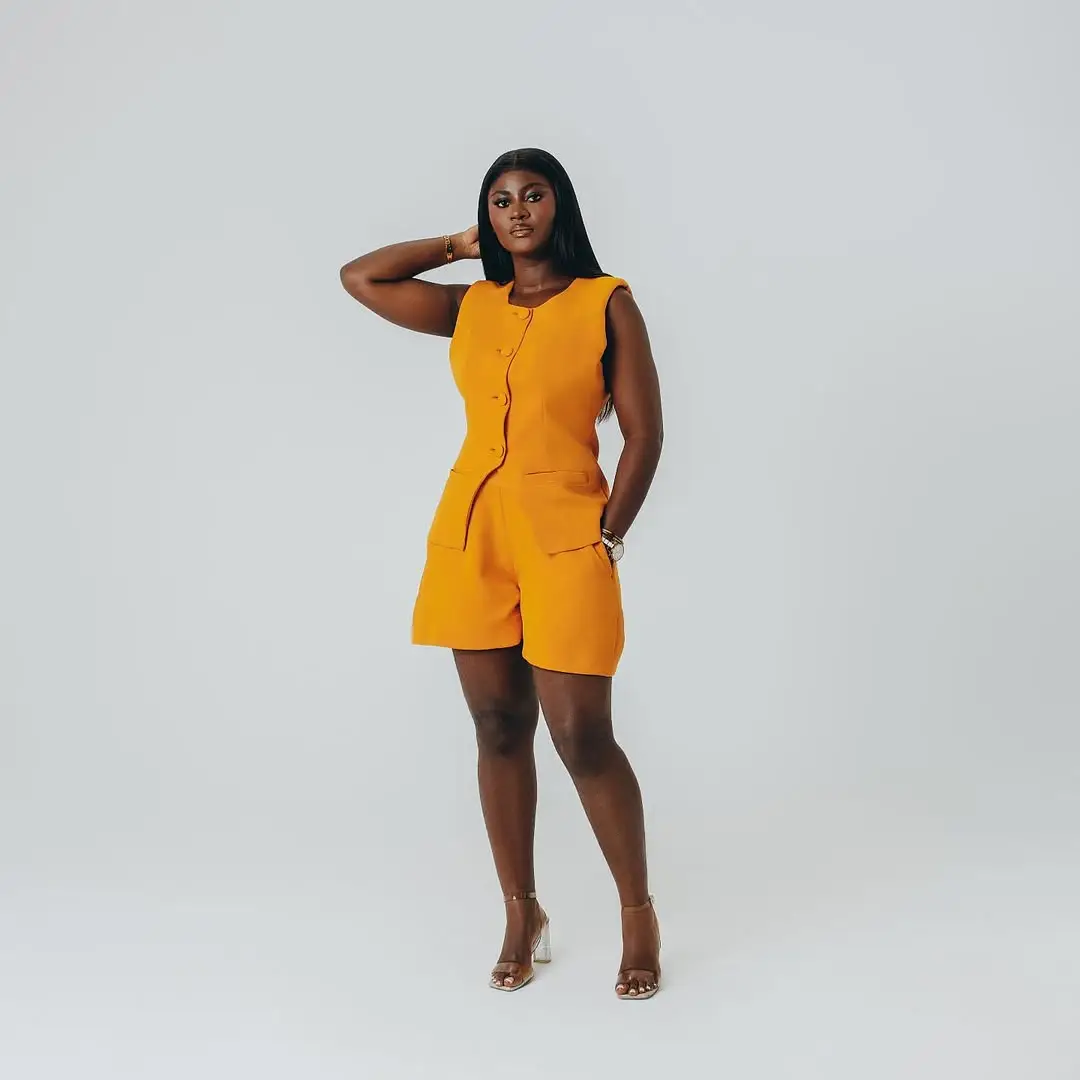
Photograph courtesy of Bello Edu
Alima Bello built Bello Edu around two words: value over mass. In a fashion landscape that rewards volume and velocity, the Ghanaian designer chose restraint — minimalist silhouettes, considered construction, a slow-fashion philosophy that asks customers to invest rather than accumulate.
Her aesthetic is quiet in the way that only truly confident design can be quiet. No logo-chasing. No trend-following. Just clothes that are built to last and cut to flatter the body as it actually exists. Bello makes the case that Africa’s fashion future does not have to mirror the West’s overconsumption. It can model something more deliberate.
Titi Ademola
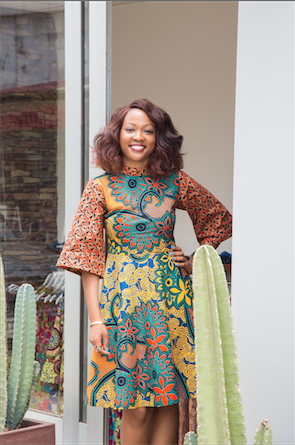
Photograph courtesy of KIKI Clothing
Titi Ademola approaches colour with generosity. KIKI Clothing, her Ghanaian brand, brings bold African prints and contemporary silhouettes together with a sense of ease and celebration.
Ademola — a London College of Fashion graduate who returned to West Africa after her studies — started KIKI as a children’s line. The demand for adult versions was so immediate that the brand evolved into the full womenswear house it is today, fusing West African textile prints with contemporary silhouettes from her Accra studio. Her work was featured in the traveling museum exhibition “African-Print Fashion Now” — a reminder that what she makes belongs as much in a gallery as on a body.
KIKI makes room for joy as a serious design intention. The result is clothing with presence—expressive, assured and made for women who enjoy being fully themselves.
Khosi Mukwevho
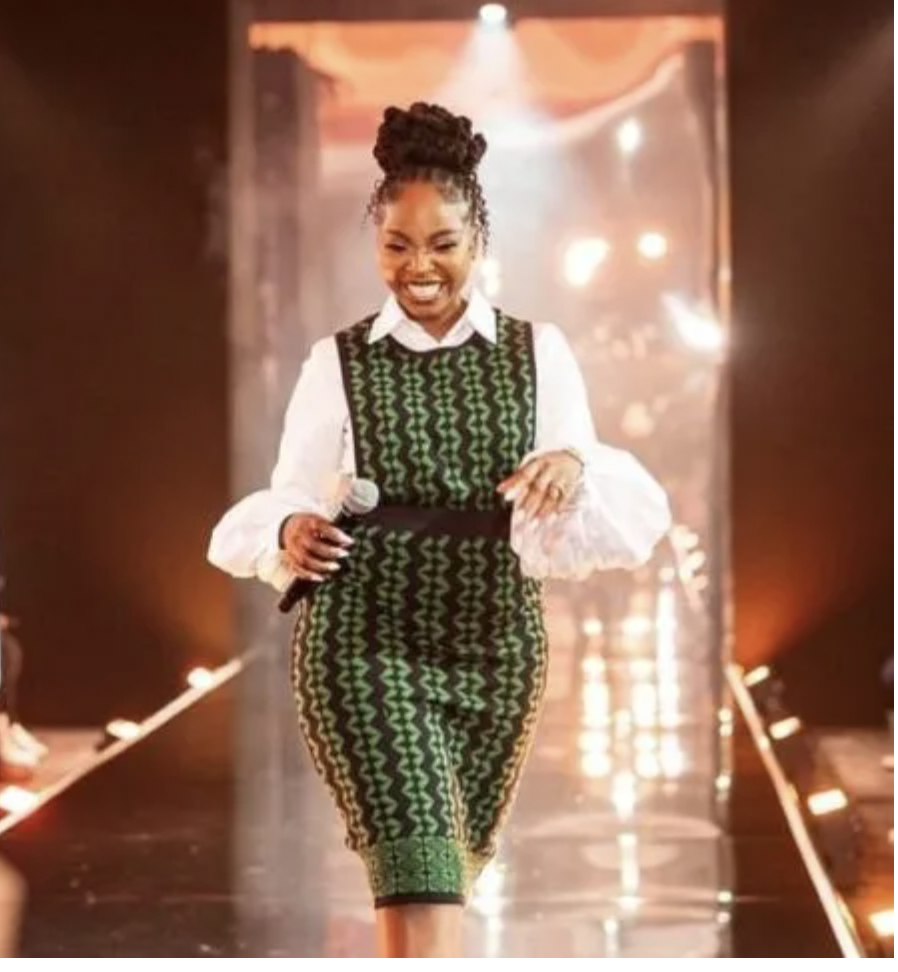
Photograph courtesy of Khosi Nkosi
Johannesburg-based Khosi Mukwevho works at the intersection of Zulu heritage and the contemporary city — two things that her aesthetic refuses to separate. Her pieces carry the visual language of her ancestry without treating that ancestry as costume. It’s identity, not reference. Declaration, not decoration.
In 2025, Nkosi took that declaration international — presenting the “Legacy Collection” through Milan Fashion Week Studio and, days later, the “Frontline Collection” through Paris Fashion Week Studio. Ankara prints in striking blues and greens, West African-inspired knitwear, and a quiet insistence that African design belongs on the world’s most prestigious runways. Her brand, Khosi Nkosi, grew from a team of four to forty during its collaboration with African Bank — proof that demand for authentic African design at the highest level is no longer theoretical.
In a fashion moment crowded with “African-inspired” work detached from the continent, Mukwevho’s presence offers a correction. She is not borrowing her culture as a reference; it is part of the design language. The distinction matters, and it shows up in the work.
The Bigger Picture
These seven women aren’t exceptions. They’re evidence — of what has always been possible when African designers are given the resources, the platforms, and the cultural oxygen to work on their own terms. At Mukhaye, this is the fashion we exist to document: not the Africa that the industry imagines, but the Africa that’s already here, already building, already dressed for the next era.
Their work asks for more than a passing glance. It deserves the time and attention given to fashion of lasting consequence.
Frequently Asked Questions
Which African women designers are shaping fashion now?
This edit considers Lisa Folawiyo, Sindiso Khumalo, Sarah Diouf, Sonia Mugabo, Alima Bello, Titi Ademola and Khosi Mukwevho. It is not a definitive ranking; it is a closer look at seven distinct practices grounded in craft, place and long-term institution-building.
Which of these labels explicitly centres African production?
Tongoro explicitly describes itself as designed and produced in Dakar, Senegal. Sonia Mugabo works with local artisans in Rwanda, while KIKI Clothing describes an emphasis on in-house production in Accra. Production arrangements can evolve, so consult each label for current sourcing and manufacturing details.
What is Jewel by Lisa known for?
Jewel by Lisa, founded by Nigerian designer Lisa Folawiyo in 2005, is known for transforming traditional Ankara fabric into high-fashion pieces through hand-sewn sequins, crystals, and intricate embellishments. The brand has dressed celebrities including Beyoncé and Lupita Nyong’o and is widely credited with elevating Ankara to couture status on the global stage.
What is the African sustainable fashion movement?
The African sustainable fashion movement is driven by designers who prioritize ethical production, local craftsmanship, and community impact over fast fashion. Designers like Sindiso Khumalo (who uses repurposed materials and heritage textile techniques), Sarah Diouf (who keeps all production in Senegal), and Sonia Mugabo (who works with local artisans in Rwanda) are leading a model that treats fashion as a vehicle for economic transformation — not just a consumer product.
Which African designers have shown at Paris and Milan Fashion Week?
Khosi Mukwevho and the Khosi Nkosi team presented the “Legacy Collection” through Milan Fashion Week Studio and the “Frontline Collection” through Paris Fashion Week Studio in March 2025. Lisa Folawiyo has presented collections internationally. Sindiso Khumalo has also shown internationally and was a joint winner of the LVMH Prize in 2020.